

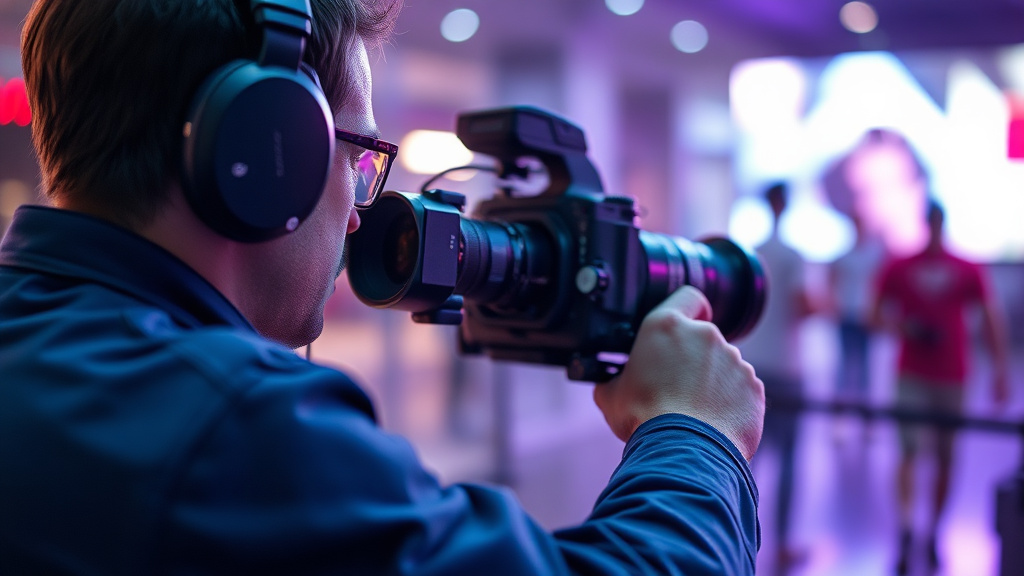
From stunning alien worlds to ultra-realistic digital characters, visual effects technology has revolutionized how filmmakers convey tales and captivate audiences. Modern advanced VFX tools enable directors to surpass physical limitations, creating immersive experiences that blur the line between reality and imagination. This article explores how advanced rendering, body tracking, and machine learning-based innovations are transforming cinema, examining the technology’s influence on storytelling depth, audience engagement, and the evolution of filmmaking itself.
The Progression of Visual Effects in Modern Cinema
Visual effects technology has undergone a significant transformation over the past two decades, fundamentally reshaping how filmmakers approach storytelling and audience engagement. From the pioneering computer-generated imagery of the 1990s to contemporary photorealistic digital environments, VFX has evolved from a novelty enhancement to an essential narrative tool. Contemporary filmmaking increasingly relies on advanced VFX techniques to create worlds that engage viewers and expand artistic possibilities beyond what traditional production methods alone could achieve.
The democratization of VFX tools has revolutionized the industry, making advanced visual effects technology available to filmmakers of diverse budget levels and experience levels. Software platforms that once demanded large-scale studio investments are now available to solo creators, encouraging innovation across the entire film industry. This accessibility has quickened the advancement of innovative approaches and artistic approaches, empowering storytellers globally to bring to life ambitious visions that were previously impossible to execute.
From Practical Effects to Digital Technology
The move from conventional physical effects to digital innovation marks one of cinema’s most notable technological transformations. Early directors relied entirely on tangible environments, miniatures, and camera-based techniques to generate impressive imagery. However, the advent of CGI dramatically transformed filmmaking processes, allowing directors to alter scenes in post-production with unprecedented precision and artistic vision. This development didn’t remove practical effects but rather developed a blended technique where both techniques complement each other seamlessly.
Contemporary filmmakers strategically combine practical and digital effects to produce excellent results for their projects. Practical effects deliver authentic physicality and authentic physical behavior that audiences intuitively recognize, while digital effects offer unlimited creative possibilities and cost-effective solutions for sophisticated visual sequences. This complementary partnership has advanced visual narrative to unprecedented levels, enabling filmmakers to develop stories that feel both fantastical and emotionally resonant, fostering stronger bonds with viewers.
- Practical effects deliver genuine surface qualities and tangible physical interactions
- Computer-generated effects allow boundless creative opportunities and cost-effective solutions
- Motion capture technology translates performer movements into digital characters
- Three-dimensional rendering creates photorealistic settings and intricate visual sequences
- Combined approaches combine both techniques for maximum cinematic effect
Immersive Technologies Revolutionizing Audience Engagement
VR and AR technologies are reshaping how viewers interact with cinematic content, creating never-before-seen immersion. These advancements enable viewers to immerse themselves in narrative worlds, experiencing stories from completely different perspectives. The integration of spatial audio, haptic feedback, and interactive elements transforms passive viewing into hands-on involvement, reshaping the bond between movies and audiences.
The advancement of immersive digital tools surpasses conventional theatrical presentations, enabling filmmakers to create multisensory storytelling that captivate viewers on heightened emotional planes. Cutting-edge tracking solutions and instantaneous visual processing allow creators to build adaptive spaces that respond to spectator movements and preferences. This tech-driven shift promises to reshape viewing habits and preferences and set fresh benchmarks for audience participation throughout various formats and channels.
Virtual Production and Live Rendering
Virtual production constitutes a paradigm shift in film production techniques, enabling directors to plan and film sophisticated shots in live virtual spaces. LED volume technology and game engine incorporation allow cinematographers to obtain photorealistic images without extensive post-production work. This method markedly shortens production timelines while broadening creative opportunities, permitting filmmakers to explore camera motion, lighting adjustments, and environmental modifications in real-time throughout principal photography.
Live rendering technology removes traditional render farm delays, opening up premium-quality visual effects production for studios of all sizes. Artists can now refine creative work rapidly, viewing changes immediately on set rather than waiting days for rendering completion. This technical innovation accelerates the creative process, lowers production expenses substantially, and enables joint creative decisions among directors, cinematographers, and visual effects supervisors in integrated collaborative spaces.
- LED volume walls generate lifelike digital backdrops on physical sets
- Game engine technology allows instant visual rendering and immediate iteration
- Motion capture systems capture accurate digital character performance data in real time
- Cloud-based rendering distributes processing power across worldwide infrastructure efficiently
- Interactive real-time tools equip directors with unprecedented creative control options
Story Opportunities Enhanced By Way of VFX
Visual effects technology has fundamentally transformed narrative possibilities in cinema, allowing filmmakers to depict concepts historically bound by imagination. Directors can now develop complex narrative components involving mythical entities, unrealistic physical laws, and alien landscapes with unprecedented realism. This innovation in filmmaking opens up creative possibilities, allowing emerging filmmakers to achieve cinematic quality historically limited to major studios with significant financial resources.
The artistic freedom offered through modern VFX expands narrative limits exponentially. Filmmakers investigate intricate themes using metaphorical visuals and surreal imagery that captivate audiences on emotional and intellectual levels. VFX facilitates smooth combination of practical and digital elements, crafting unified worlds where fantasy and reality converge, thereby enhancing character development and plot complexity in ways traditional filmmaking cannot achieve.
Crafting Worlds Outside Reality
Advanced VFX technology enables the development of entirely imaginary worlds with exceptional visual quality and narrative continuity. Digital environments can be carefully designed to embody specific artistic visions, from dystopian settings to enchanted worlds. These created environments serve as characters themselves, affecting plot development and spectator interpretation while preserving visual credibility that captivates viewers.
The approach of world-building through VFX merges artistic vision with technical precision, permitting filmmakers to establish immersive settings that facilitate complex storytelling. Digital landscapes are able to be transformed instantly to reflect story needs, facilitating dynamic environmental storytelling. This adaptability allows creative experimentation and iterative refinement, ultimately delivering visually stunning and thematically unified cinematic universes.
- Lifelike alien landscapes with unique atmospheric conditions
- Underwater civilizations showcasing glowing organisms and built environments
- Next-generation metropolises with cutting-edge systems woven throughout
- Enchanted domains with mystical forces and otherworldly occurrences
- Reimagined historical periods envisioned with theoretical innovations
The Evolution of Visual Effects and Cinema
The progression of VFX technology continues to accelerate, delivering remarkable artistic possibilities for content creators across the globe. As processing capabilities grows at an accelerating rate and new tools become available, artists gain more creative control to visualize intricate stories and imaginative environments. The adoption of advanced algorithms into VFX pipelines enhances creative processes, minimizing processing duration and facilitating more rapid adjustments. These technological breakthroughs democratize filmmaking, giving smaller studios to produce studio-grade effects once available only to major studios with substantial budgets.
Looking ahead, the intersection of virtual production, real-time rendering, and immersive technologies will fundamentally reshape cinematic storytelling. Directors will more frequently utilize LED volumes and virtual environments to capture performances in interactive digital spaces, blurring traditional production boundaries. As audiences grow more discerning, visual effects will move beyond spectacle toward richer narrative weaving, strengthening emotional narratives rather than overshadowing it. The future cinema experience delivers seamless fusion of practical and digital elements, crafting genuinely immersive environments that carry audiences into entirely new dimensions of entertainment.
Cutting-Edge Technologies and Industry Trends
Artificial intelligence is reshaping visual effects production by automating routine tasks and enabling innovative creative solutions. Machine learning algorithms now support rotoscoping, compositing, and tracking motion, dramatically accelerating post-production timelines. Neural networks generate photorealistic settings and figures with reduced human input, while predictive analytics enhance rendering processes. These technologies equip artists to concentrate on creative decision-making rather than technical implementation, significantly transforming how visual effects professionals approach their craft and work alongside directors.
Real-time rendering technology constitutes another transformative development reshaping film production methodologies. Unreal Engine and comparable platforms enable directors to see complex scenes instantaneously, facilitating artistic experimentation on set. Virtual production environments featuring LED walls and live rendering establish interactive environments where performers work alongside digital elements. This method reduces reliance on post-production and improves creative decisions made during filming. Market adoption keeps growing, with major productions adopting real-time pipelines for operational efficiency, budget savings, and unprecedented creative flexibility in storytelling execution.
- Neural networks generate photorealistic digital characters with minimal manual intervention required
- Real-time rendering enables instant visualization during principal photography and production
- Cloud-based rendering services provide broader access to processing power for indie creators
- XR technologies integrate virtual and physical worlds for immersive audience experiences
- AI-driven tools automate rotoscoping, compositing, and motion tracking tasks efficiently
