

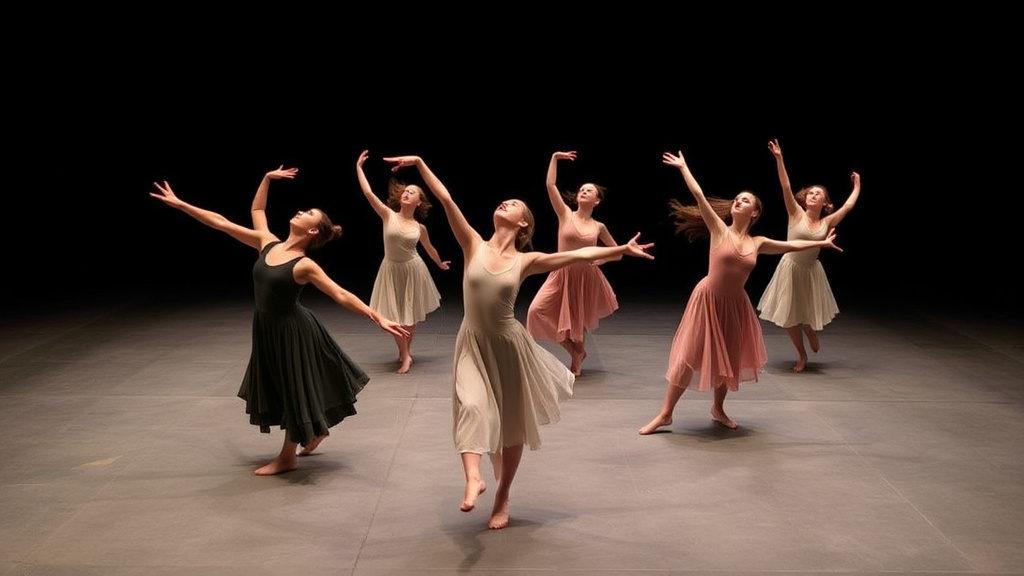
In a striking move from established practices, contemporary dance companies are reimagining how tales take shape on stage. By dismantling linear narratives and adopting innovative movement practices, these creative groups challenge audiences to examine standard performance conventions. Through blending of various media, non-linear structures, and collaborative creation processes, dancers become storytellers of intricate human narratives. This article examines how prominent modern dance ensembles are transforming what performance means, pushing boundaries, and developing absorbing performances that connect with contemporary viewers seeking fresh perspectives and genuine human resonance.
Breaking Free from Conventional Ballet Forms
Contemporary dance companies are fundamentally redefining how movement conveys narrative, moving beyond the rigid hierarchies and predetermined storylines of classical ballet. These creative ensembles reject the notion that dance must adhere to a character-centered plot or follow strict technical codes. Instead, they embrace fluidity, experimentation, and artistic freedom, allowing choreographers to examine abstract concepts, emotional landscapes, and unconventional character development. By discarding traditional structures, dancers gain the autonomy to render movements personally, creating genuine bonds between performers and audiences. This release from classical constraints enables companies to address complex social issues and contemporary themes that connect with modern viewers seeking significant artistic encounters beyond spectacle.
The movement away from ballet’s structured visual language opens doors to varied movement languages and cross-disciplinary collaborations. Contemporary companies incorporate pedestrian gestures, spontaneous creation, and non-Western dance forms, creating a multifaceted array of physical expression. Choreographers currently develop stories through use of space, collective movement patterns, and multimedia components rather than relying solely on classical technique. This opening up of movement permits performers of varied backgrounds and different physiques to participate authentically. By pushing back against the perfectionist standards and restrictive norms of traditional ballet, contemporary dance companies create accessible settings where storytelling becomes a collaborative exploration of what it means to be human, ultimately producing performances that embody the complexity and diversity of modern culture.
Multimedia Combination and Cross-Disciplinary Collaboration
Contemporary dance companies steadily utilize cutting-edge technology to expand their narratives, merging live performance with projected imagery, digital art, and immersive installations. This integrated multimedia method transcends traditional stage boundaries, producing immersive environments where dancers respond to visual elements in immediate fashion. By incorporating video, sound design, and digital interaction, choreographers craft multisensory experiences that deepen audience engagement and broaden storytelling possibilities beyond standard choreographic vocabulary.
Cross-disciplinary teamwork has grown into essential to current dance innovation, combining movement directors, visual artists, music professionals, filmmakers, and technologists. These collaborations encourage creative synergy, empowering artists to challenge traditional norms and explore new thematic ground. When artists from different disciplines unite, the produced creations surpass single disciplines, producing profound artistic moments that speak among different creative fields and appeal to larger, more diverse spectators pursuing forward-thinking creative voices.
Elevating Underrepresented Communities and Diverse Perspectives
Contemporary dance companies actively emphasize amplifying voices from traditionally marginalized communities. By featuring creators and dancers from underrepresented communities, these organizations challenge the predominantly white, Western-centric canon of classical dance. This deliberate change creates space for genuine narratives drawing from lived experiences, heritage practices, and unique artistic visions. Companies intentionally engage diverse talent, fund projects investigating belonging and social justice, and foster inclusive creative environments. Such commitment transforms dance into a powerful vehicle for social commentary and cultural representation.
Strategic alliances between dance companies and community organizations amplify underheard voices and broaden artistic scope. These alliances support shared creative development where community members contribute to narrative development, delivering truthful depiction rather than outside perspective. Artists work alongside regional creatives, community organizers, and storytellers, deepening artistic complexity and cultural specificity. By breaking traditional hierarchies, companies make art creation more accessible and recognize varied ways of knowing. This methodology generates performances connecting deeply with audiences who recognize their own experiences truthfully depicted, building stronger community bonds and shared involvement.
Online channels and creative delivery approaches broaden the scope of marginalized narratives beyond conventional theater spaces. Modern organizations utilize streaming services, social media, and virtual performances to distribute content with global audiences formerly shut out from traditional dance venues. This opening up challenges gatekeeping structures inherent in institutional dance world. By making performances accessible across financial and geographic boundaries, companies guarantee diverse perspectives reach broader audiences. Technology becomes a transformative tool allowing underrepresented artists to control their narratives and create self-directed spaces for creative expression.
