

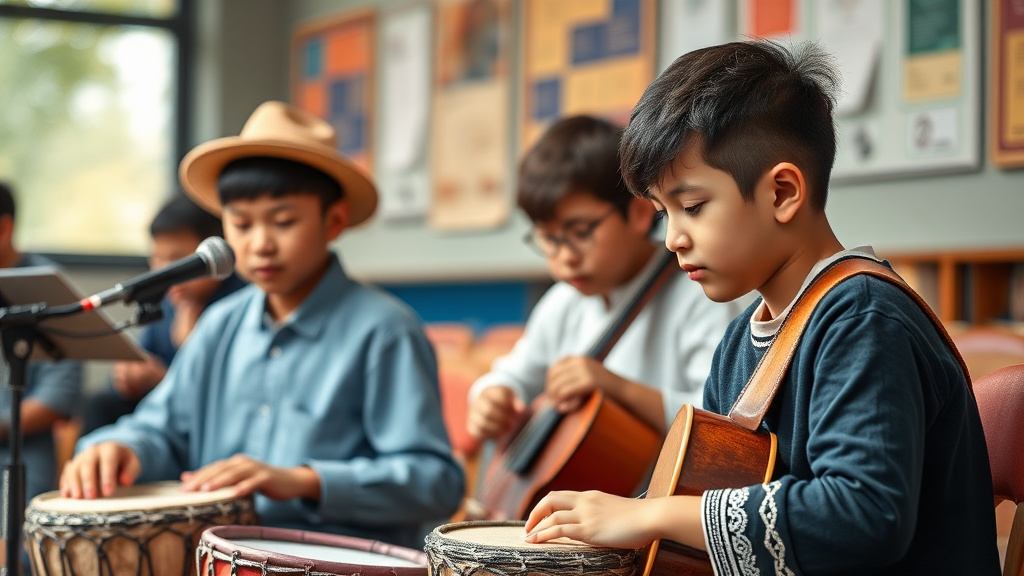
In city schools where student engagement often struggles, classical music education programs are serving as powerful catalysts for transformation. These initiatives are overcoming traditional barriers, engaging students who might otherwise disengage from academics. This article examines how orchestral training, music theory instruction, and group performance are transforming classroom dynamics, boosting academic performance, and fostering discipline and creativity. Discover the compelling narratives of urban students discovering their voices through classical music and the enduring influence these programs have on their academic paths and futures.
The Increasing Role of Traditional Classical Music in City Schools
Classical music education has emerged as a transformative force in metropolitan educational institutions, addressing significant involvement issues that affect many city-based educational settings. Students who had displayed little engagement with conventional classroom learning are finding purpose and passion through instrumental instruction and collaborative ensemble work. These programs foster inclusive settings where learners with different needs can acquire performance proficiency, build confidence, and achieve meaningful rewards of ensemble musical accomplishment. The wider influence go past the concert hall, positively influencing school attendance, behavior patterns, and institutional atmosphere in areas where such programs are most needed.
The impact of classical music programs in urban environments arises from their ability to narrow wealth-based divides and deliver inclusive participation to cultural growth. By incorporating music theory, performance techniques, and ensemble work into educational programs, teachers unlock hidden potential in individuals missing access to private instruction or arts organizations. These initiatives develop discipline, perseverance, and emotional intelligence while creating a connection to others. Urban participants discover that classical music is not an exclusive art form accessible only to elite groups, but rather a engaging and open field able to revolutionizing their academic growth and creating new possibilities.
Developing Musical Abilities and Academic Achievement
Classical music education programs in urban schools substantially enhance students’ foundational musical abilities. Studies show that students participating in structured music training acquire advanced cognitive skills, such as improved memory retention, stronger analytical thinking, and enhanced numerical thinking. These programs generate notable progress in standardized test scores, especially in mathematics and reading comprehension, while cultivating discipline and perseverance that go past the music classroom throughout other academic disciplines.
Intellectual Development Through Musical Instruction
Music education activates various areas of the brain at the same time, fostering neural connections that strengthen critical thinking and reasoning abilities essential for academic success. Students studying classical music cultivate heightened auditory processing abilities, which results in better linguistic proficiency and reading comprehension. The complex cognitive demands of reading sheet music, learning music theory, and performing accurate technical skills establish strong neural connections that enhance general cognitive ability and educational success across diverse subject areas.
Ensemble participation in classical music programs establishes collaborative learning environments where students cultivate social-emotional intelligence in addition to technical musical skills. These group settings require active listening, communication, and mutual support, fostering positive peer relationships that strengthen classroom behavior and attendance rates. Students experience tangible progress through regular performances and competitions, developing confidence and motivation that directly influences their engagement in academic coursework and long-term educational aspirations.
- Improved recall ability via intricate composition learning methods
- Strengthened mathematical reasoning through musical principles and rhythmic structure examination
- Enhanced language development via score reading and instruction
- Increased cognitive control abilities through disciplined training and consistency
- Improved mood management and stress management via creative musical outlets
Community Involvement and Cultural Development
Classical music learning initiatives extend their profound impact into broader settings, fostering authentic links between students, families, and their wider neighborhoods. Live presentations, recitals and performances provide avenues for urban families to encounter live orchestral music, often for the initial occasion. These events serve as artistic focal points, fostering pride within communities and demonstrating that musical excellence flourishes in urban environments. By including parents and community participants in musical gatherings, schools strengthen interpersonal ties and build collective moments that transcend socioeconomic boundaries, enhancing the entire community structure.
The cultural impact of these programs extends well beyond than simple enjoyment. Students become cultural ambassadors, introducing classical music to peers and families who might rarely experience it otherwise. Schools implementing these programs often see increased community participation in arts-related activities and greater recognition for artistic and cultural variety. Furthermore, collaborations with major orchestras and music institutions bring world-class musicians into urban neighborhoods, motivating young people while simultaneously demonstrating that classical music is for all people, regardless of background or zip code, ultimately making available to one of humanity’s greatest artistic achievements.
Addressing Obstacles and Maintaining Operations
Despite the significant impact of classical music education, urban schools face significant obstacles in creating and sustaining these programs. Limited funding, instrument availability, and shortage of qualified music instructors create substantial challenges. Schools need to pursue innovative approaches through funding grants, collaborative relationships, and business support to secure necessary resources. Additionally, integrating classical music into already crowded curricula requires institutional support and strategic planning to demonstrate measurable outcomes that support ongoing programs and expansion.
Sustaining lasting achievement demands establishing institutional backing and community engagement. Schools that establish classical music programs must develop comprehensive strategies including educator training programs, student recruitment initiatives, and parent involvement programs. Establishing performance venues, recognizing student accomplishments, and documenting academic improvements increase stakeholder commitment. High-performing initiatives build alumni connections and mentoring partnerships that offer continuous support and funding, guaranteeing classical music education remains a permanent fixture in city schools rather than a temporary initiative.
