

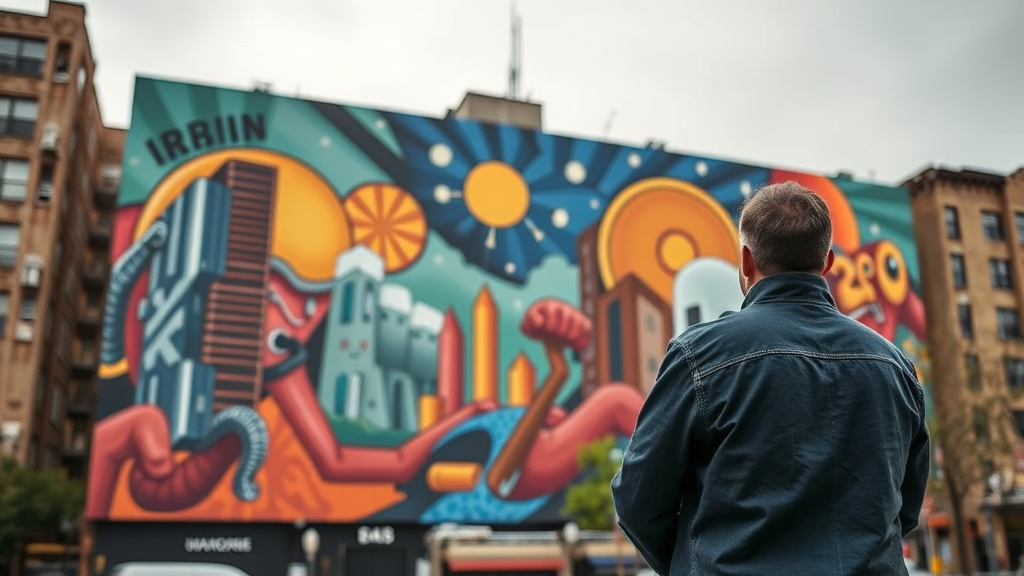
Once written off as destructive behavior, street art has transformed into a major driver for neighborhood improvement and civic pride. Massive artistic installations now transform neglected neighborhoods into vibrant cultural destinations, revitalizing deteriorating surfaces and overlooked locations. This article investigates how passionate street art communities are reimagining metropolitan areas worldwide, examining the profound effect these daring creative partnerships have on neighborhood economic growth, community bonds, and community character while inspiring residents to rethink their urban environment.
The Rise of Urban Art as Community Expression
Street art has undergone a remarkable transformation over the last twenty years, evolving from underground rebellion into a recognized form of community expression. What was once labeled as vandalism is now acknowledged as valid creative work that amplifies the perspectives of neighborhoods and their residents. Artists and communities have reclaimed urban environments, employing visual artworks to tell stories that capture local culture, history, and aspirations. This change signals a profound transformation in how cities value artistic innovation and community participation in city planning.
The rise of structured street art groups has been crucial to legitimizing this movement and establishing cooperative models for significant undertakings. These organizations bring together trained creatives, neighborhood volunteers, and local people who have a common goal for neighborhood transformation. By securing permissions, managing materials, and engaging residents in the creative process, street art communities have shown that artwork can serve as both aesthetically stunning and socially meaningful. This cooperative strategy has won approval from city officials and community members alike, positioning street art as a authentic means for positive urban change.
Economic and Social Influence of Mural Programs
Boosting Community Economic Growth
Expansive wall art projects generate substantial financial advantages to urban neighborhoods. These vibrant artworks attract visitors, creatives, and art lovers, boosting visitor numbers to local businesses such as coffee shops, eateries, and retail stores. Property values in neighborhoods with striking wall art often see increases, prompting property owners to make additional investments in their communities. Additionally, mural projects create employment opportunities for artists, assistants, and local workers working on design and implementation, stimulating economic activity and neighborhood prosperity.
Building Community Bonds
Beyond economic gains, mural initiatives create strong social connections among residents. Joint mural efforts bring diverse community members together, reducing social divisions and strengthening connections across different demographics. These shared artistic experiences create a shared feeling of belonging and pride in local areas, encouraging residents to invest emotionally in their environment. Street art communities also offer spaces for marginalized voices, allowing residents to share their heritage and address social issues through visual storytelling that resonates with their lived experiences.
Creating Community Identity
Murals serve as strong representations of local identity and cultural traditions. Major artistic pieces celebrate local history, commemorate important figures, and express shared values, creating recognizable visual signatures that distinguish communities from each other. This creative work reinforces residents’ sense of belonging to their communities, fostering sustained neighborhood cohesion and lowering the chances of displacement through gentrification by ensuring genuine cultural expression.
Creating Sustainable Mural Communities
Establishing enduring street art communities requires strategic cooperation between artists, residents, and local organizations. Effective initiatives establish organized frameworks that provide support, education, and guidance to new creators while maintaining the movement’s community roots. By hosting ongoing training sessions, knowledge exchange meetings, and community meetings, these networks build a sense of belonging and collective purpose. Additionally, getting official authorization and permissions guarantees legal recognition, preserving murals from removal and enabling artists to operate safely without legal repercussions. This structured yet creative approach changes street art from individual efforts into structured campaigns that serve entire neighborhoods.
Sustained sustainability relies on consistent funding, community engagement, and formal endorsement. Many thriving street art communities form charitable entities, obtain business partnerships, and pursue public funding to support major initiatives. School collaborations with schools bring youth to artistic expression while nurturing the future cohort of muralists. Ongoing upkeep efforts protect finished works, extending their lifespan and showing community investment. When street art communities become embedded in neighborhood identity and endorsed by varied partners, they build autonomous systems where creativity flourishes and urban transformation achieves lasting impact.
Future of Urban Art and Neighborhood Revitalization
As street art continues to gain wider acceptance and institutional support, its capacity for driving community revitalization seems limitless. Cities worldwide are increasingly allocating funding toward mural projects, acknowledging their economic and social value. Forward-thinking city planners now work alongside artists and community leaders to integrate large-scale murals into holistic renewal strategies. This shift signals a fundamental change in how municipalities approach urban development, positioning street art as a legitimate tool for building inclusive, vibrant neighborhoods that honor community culture and heritage.
The trajectory of street art communities points to an promising future where artistic expression and city development work in harmony. New technological advances like augmented reality are unlocking innovative avenues for engaging public art, while digital platforms multiplies these artworks’ audience and effect. As new artists embrace street art as a legitimate form of artistic identity, investment in artist support systems and public art programs will tend to increase. This evolution brings neighborhoods reimagined not merely through artistic medium, but through the unified purpose and creative energy of engaged communities reimagining their urban landscapes for generations to come.
