

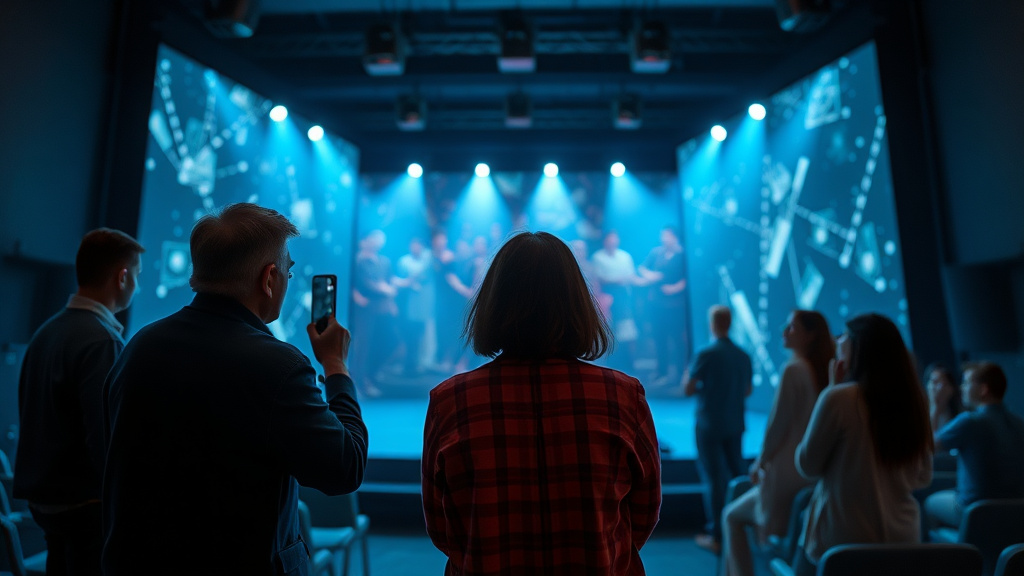
Theater is undergoing a radical reimagining as directors leave behind traditional proscenium stages for engaging environments that dissolve boundaries between the stage and audience reality. From panoramic stage configurations to viewer engagement and multi-sensory environments, today’s directors are redefining how stories are told to engage audiences familiar with technology. This article investigates cutting-edge staging techniques transforming the modern theater scene, analyzing how theatrical leaders employ innovative technology and spatial strategies to deliver lasting impressions that transcend conventional theater conventions.
Pushing Past Conventional Limits in Stage Production
The current theater scene has dramatically changed as visionary directors question long-established conventions that have defined stage presentation for centuries. Conventional proscenium theaters, with their distinct divide between actors and spectators, are giving way to unconventional spatial designs that break down this traditional divide. Directors are actively exploring unconventional venues—warehouses, parking garages, and public spaces—transforming ordinary environments into spaces for theatrical experience. This radical departure from traditional theater design enables audiences to engage with performances from completely different viewpoints, establishing meaningful connections previously impossible within conventional theater spaces. By reimagining physical space itself, modern creative leaders give voice to creators to transcend the limitations that previously limited artistic expression and viewer participation.
Technology has turned into a vital tool in the hands of experimental theater directors seeking to enhance immersive experiences. Projection mapping, augmented reality, and interactive digital elements blend naturally with live performance, constructing multidimensional worlds that engage viewers. These technological innovations don’t replace human actors but rather enhance what actors do, allowing directors to construct elaborate visual narratives that would be impossible through conventional theatrical techniques alone. Audio design has developed as a complex creative discipline, with spatial audio systems positioning audiences within three-dimensional soundscapes. The thoughtful use of technology transforms theater from a flat visual presentation into a fully immersive environment where every sensory element plays a vital role in the overall artistic vision and emotional impact.
Audience involvement has emerged as a cornerstone of immersive theatrical experiences, substantially reshaping the spectator’s role. Rather than passively watching from stationary seats, contemporary viewers navigate performance spaces, engage with performers, and shape story developments through their choices and movements. This participatory approach generates new forms of control, transforming viewers into active participants within the theatrical narrative. Directors meticulously design these engagements to preserve creative unity while allowing genuine spontaneity and personal discovery. This opening up of theatrical access appeals to contemporary audiences who anticipate interaction and participation across all forms of entertainment, making conventional spectating increasingly unpalatable to younger demographics.
Environmental Layout and Narrative Through Space
Environmental design has moved past mere decoration to become a key narrative tool in immersive theater. Every structural component, lighting fixture, and spatial arrangement transmits narrative content and establishes emotional atmospheres that direct viewer comprehension. Directors partner extensively with set designers to create multi-sensory environments where physical space itself becomes a character within the production. Audiences explore these intentional environments, discovering visual details and thematic content organically through exploration. This approach reconceives set design from passive backdrop into active narrative participant, enriching storytelling possibilities and intensifying viewer engagement through spatial intelligence and environmental consciousness.
The incorporation of sensory elements beyond visual and auditory components differentiates contemporary immersive theater from conventional theatrical presentations. Directors deliberately utilize scent, temperature variation, and tactile experiences to create holistic environmental narratives. These layered sensory methods trigger emotional responses and memory associations that strengthen viewer connection to dramatic material. By activating all sensory dimensions, directors craft deeply impactful encounters that linger long after performances conclude. This holistic strategy acknowledges that human perception goes much deeper than visual and auditory information, leveraging physiological and mental processes to create theatrical encounters that strike deeply personal chords.
Technology and Creative Design
Advanced Projection and Lighting Systems
Modern theater productions increasingly utilize advanced projection mapping technology and dynamic lighting systems to create immersive environments that respond to performer movements in real-time. These systems allow directors to convert standard stages into imaginative realms, smoothly integrating digital elements with live acting. Advanced projectors and LED systems enable precise visual storytelling, while responsive lighting systems enhance emotional impact by modifying color, brightness, and positioning instantaneously. This technological integration creates multisensory experiences that captivate viewers on unprecedented levels, making digital innovation central to contemporary theater design approaches.
Sound design has equally evolved, with immersive audio technologies creating 3D sound spaces that surround and envelop audiences. Positioned speakers positioned throughout performance spaces allow audio professionals to move audio elements in real time, crafting immersive soundscapes that enhance dramatic intensity and emotional resonance. Sophisticated mixing systems enable real-time adjustments throughout shows, ensuring superior sound quality regardless of venue acoustics. These advancements transform sound from ambient support into a central narrative tool, fundamentally changing how audiences experience dramatic stories and interact with performance spaces.
Immersive and extended reality technologies are starting to complement traditional staging, offering experimental directors expanded potential for narrative exploration. Some productions employ VR headsets to produce personalized audience experiences, while AR applications enhance live performances with digital overlays visible to entire audiences. Though yet to mature, these technologies promise transformative methods to theatrical storytelling, possibly broadening performance boundaries beyond physical stage limitations and creating hybrid experiences that blend digital and physical realities seamlessly.
Space Planning and Visitor Engagement
Contemporary theatrical designers prioritize spectator placement within performance venues, transforming spectators from inactive viewers into active environmental participants. Flexible seating arrangements, rotating platforms, and multi-tiered stage setups enable directors to control sightlines strategically and create intimate moments alongside grand spectacles. By positioning spectators within performance environments rather than facing stages, designers increase audience engagement and encourage active engagement. This spatial innovation fundamentally redefines theatrical architecture, challenging conventional theater layouts and creating venues that evolve fluidly to specific production requirements and artistic visions.
Environmental design extends past visual aesthetics to integrate tactile and olfactory elements that activate multiple senses simultaneously. Productions increasingly utilize atmospheric effects, temperature variations, and scent design to amplify immersion and emotional impact. These multisensory approaches create lasting impressions that remain long following performances conclude, demonstrating how comprehensive environmental design elevates immersive theater beyond technological spectacle into deeply resonant artistic experiences.
Audience Engagement and Response
Modern immersive theater performances have fundamentally transformed how audiences experience live theater. By eliminating the conventional divide between stage and spectator, theater makers create unprecedented levels of emotional resonance and commitment. Audience members become active participants rather than passive observers, navigating physical spaces and determining paths that influence their individual narratives. This participatory approach generates heightened engagement, with attendees reporting more profound emotional connection and unforgettable moments that transcend standard theater visits, generating lasting impacts that fuel audience recommendations.
The reception of immersive staging techniques has been extremely favorable across varied audiences. Surveys indicate audiences value the new approaches and engaging components, especially younger generations looking for innovative theatrical experiences. However, directors recognize the challenge of balancing accessibility with creative intent, making certain productions support varying individual preferences and physical capacities. Theater companies keep improving these techniques, gathering audience feedback to enhance future productions. This mutual advancement between performers and viewers creates new standards for artistic achievement, establishing immersive experiences as the direction of modern theatrical practice.
