

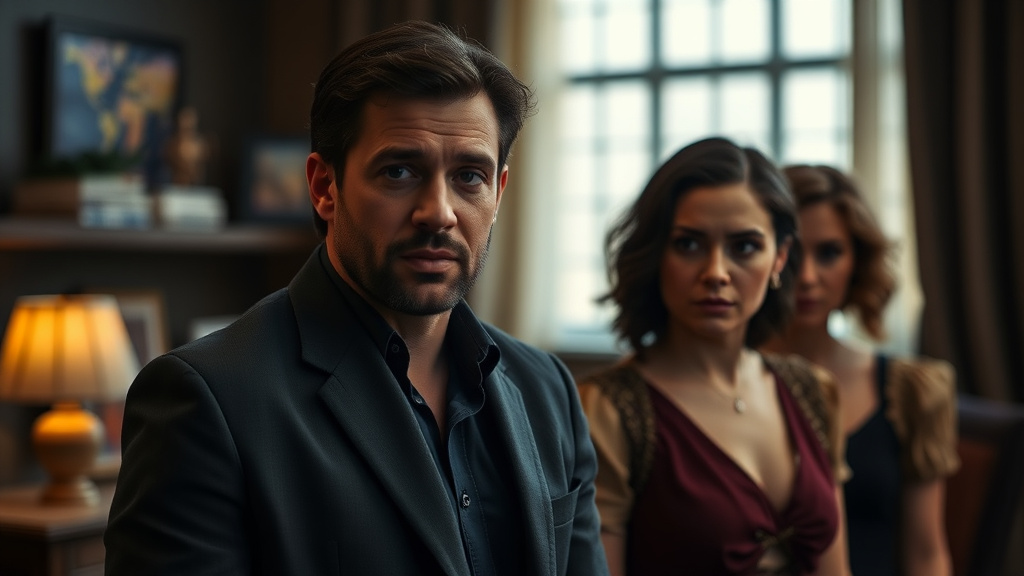
Premium drama series have significantly transformed how stories are told in the modern era, transcending traditional television formats to become sophisticated narrative experiences. This examination explores how prestige dramas employ innovative storytelling techniques, intricate character development, and fragmented structures that challenge conventional narrative conventions. By examining acclaimed series and their creative approaches, we reveal how these productions have elevated the medium, influenced audience expectations, and redefined what television drama can accomplish as an art form.
The Development of Serial Narratives
The move from episodic television to ongoing story formats represents a major transformation in modern storytelling. Premium drama series moved away from the self-contained episode model, rather adopting complex, multi-season story arcs that demand viewer commitment and engagement. This progression reflects shifting viewer tastes and technological advances allowing on-demand viewing. Shows like “Breaking Bad” and “The Wire” proved that television could support intricate plots across many seasons, rivaling cinematic storytelling in depth and sophistication. This significant reorganization established serialization as the primary storytelling approach in quality drama programming.
Today’s premium dramas employ serialized formats to create layered character arcs and layered thematic exploration unattainable within conventional episodic constraints. Writers develop serialized narratives that gain traction gradually, enabling nuanced character development and intricate motivations to emerge naturally. This strategy enables deeper audience investment in character journeys and plot resolutions. The serialized model has emerged as quality television, influencing production standards among broadcasters and streaming platforms. Premium dramas now use serialization strategically to create memorable, award-winning narratives that appeal to audiences pursuing quality programming experiences.
Character Development and Narrative Complexity
Premium drama series have revolutionized how characters are developed by transcending conventional characterizations to establish psychologically nuanced individuals whose goals shift across multiple seasons. Unlike standard broadcast television bound by episodic structure, premium television allocate substantial time to investigating psychological struggles, ethical complexities, and transformative journeys. This extended storytelling framework allows creators to develop layered individuals whose growth feels organic and authentic, allowing audiences to form deep attachments with individuals whose intricacy mirrors real human experience and emotional complexity.
Multi-Dimensional Character Arcs
Contemporary premium dramas build character arcs that extend across multiple seasons, permitting slow emotional transformation and moral evolution that traditional formats lack the capacity for. Characters experience setbacks, victories, and shifts in perspective that reshape their worldviews and relationships. This extended timeline method creates narrative tension through character consistency and surprising growth, as viewers observe protagonists contending with genuine consequences from their decisions. The prolonged narrative span allows writers to examine how circumstances fundamentally alter personality traits, ethical frameworks, and interpersonal dynamics in ways that seem genuine and earned.
The depth of character development in acclaimed TV extends beyond individual protagonists to include complete casts whose storylines intersect and influence one another. Secondary characters get considerable development, shifting from supporting positions into complete characters with independent narrative significance. This multifaceted method weaves intricate patterns of interconnected character journeys, where secondary players drive thematic exploration and plot development. Audiences gain access to varied viewpoints and impulses that question singular interpretations of morality.
Challenging Traditional Stock Characters
Premium drama series systematically dismantle conventional character archetypes, featuring deeply imperfect characters who defy traditional hero ideals and moral clarity. Rather than embodying traditional heroic storylines, these characters display selfishness, corruption, and destructive behavior, forcing audiences to confront uncomfortable truths about human nature. This departure challenges viewers to sustain compassion for ethically flawed characters, complicating simplistic moral judgments and promoting complex examination of character motivation beyond conventional good-versus-evil frameworks.
The rejection of conventional character archetypes encompasses female representation, marginalized identities, and historically overlooked perspectives within popular TV storytelling. Prestige television programs provide depth and agency to characters traditionally confined to supporting or stereotypical roles, establishing them as protagonists with complex psychological dimensions. This narrative repositioning reflects modern discussions about representation and authenticity. By dismantling predictable character patterns and championing non-traditional depictions, quality drama programming establishes fresh narrative benchmarks that prioritize psychological authenticity over formulaic characterization.
Production Standards and Visual Storytelling
High-end dramatic productions have elevated production standards to cinematic levels, leveraging superior camera work, refined acoustic production, and advanced visual technology traditionally limited to feature films. These projects allocate considerable funding in technical excellence, implementing advanced filming technologies and finishing methods that produce engaging cinematic experiences. The dedication to technical standards surpasses mere appearance, fundamentally enhancing storytelling capacity by enabling creators to realize complex, ambitious visions with remarkable technical precision and technical sophistication.
The creative breakthrough within prestige television extends to directorial approaches and visual storytelling methodologies that reshape conventional television formats. Series producers collaborate with acclaimed film directors, cinematographers, and talented craftspeople who bring feature-film sensibilities to serialized storytelling. This fusion of cinematic and television skills generates unique visual styles, fluid camera techniques, and framing methods that transform viewing experiences. Consequently, high-end television set new aesthetic benchmarks, demonstrating how the medium can reach creative equality with film while sustaining episodic formats’ storytelling strengths and audience investment possibilities.
