

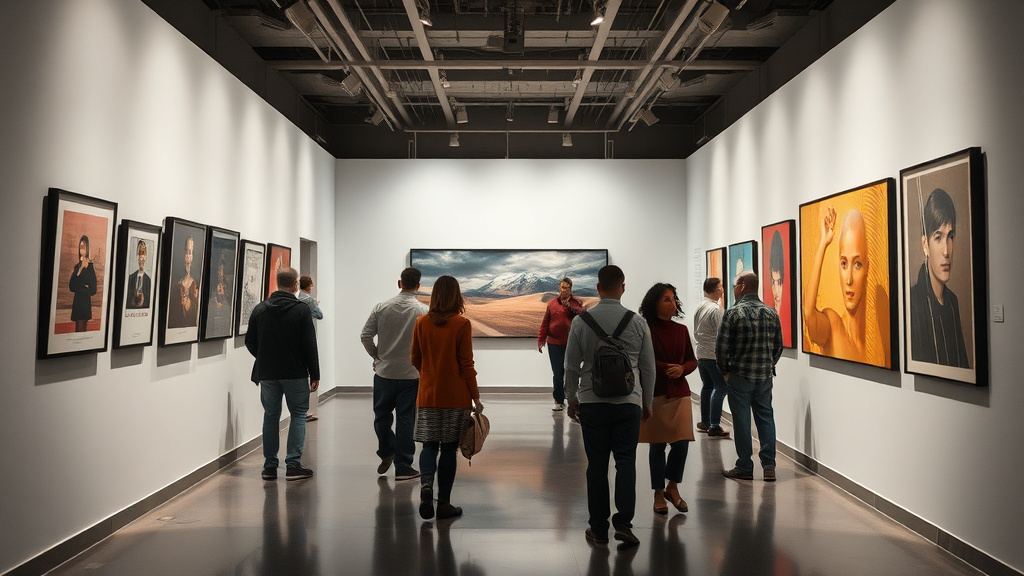
The art world is experiencing a major shift as contemporary visual artists increasingly reject standard institutional boundaries, turning to unconventional display locations and online channels. From pop-up installations in repurposed buildings to immersive virtual galleries and artist-led community groups, artists globally are transforming the way audiences experience art. This shift challenges the restricted participation of conventional cultural organizations, democratizing access while fostering personal relationships between artists and art lovers. Explore how these innovative approaches are reshaping the worldwide art scene and establishing new standards of how art is displayed.
Digital Platforms and Digital Exhibitions
Bringing Art to Everyone Using Technology
Digital spaces have significantly altered how contemporary artists exhibit and monetize their work, eliminating geographical barriers that once limited access to galleries. Digital displays permit artists to reach global audiences in real time, circumventing conventional intermediaries and institutional intermediaries. Blockchain technology and NFTs have created new ways of owning art, enabling artists to exercise greater oversight over their artistic output. Instagram, TikTok, and similar platforms function as digital galleries, where up-and-coming artists develop large audiences and forge direct ties with art patrons, significantly challenging established art market systems.
The COVID-19 pandemic accelerated the adoption of online gallery platforms, forcing galleries and museums to innovate rapidly. Online viewing rooms, 3D virtual galleries, and interactive digital installations now supplement or substitute for physical exhibitions entirely. This digital transformation has democratized participation, allowing artists from marginalized groups to showcase work without requiring expensive gallery connections or physical proximity to art capitals. Digital spaces also provide useful audience insights, enabling artists to comprehend how audiences interact with their work and improve their creative strategies accordingly.
Hybrid Models and Ongoing Innovation
Contemporary galleries increasingly implement blended presentation formats, combining physical and digital components to enhance reach and engagement. AR technology enable viewers to experience artworks in their own environments before purchase, revolutionizing the collector experience. Creators utilize streaming technologies for real-time shows and interactive installations, creating immersive encounters unfeasible in traditional static gallery settings. These innovations attract younger tech-savvy viewers while preserving appeal for seasoned patrons who appreciate technological experimentation.
Despite technological benefits, hybrid models present challenges regarding authenticity, copyright protection, and long-term income creation for artists. Oversaturation in digital spaces produces visibility challenges, compelling artists to develop sophisticated marketing strategies alongside creative practices. However, new services purpose-built for artists—including dedicated NFT exhibition spaces and artist-owned cooperative websites—continue evolving to address these concerns, creating long-term support structures supporting creative communities globally.
Direct-to-Collector Sales and Creative Collectives
Artists are actively bypassing conventional gallery systems to establish direct relationships with collectors, leveraging online platforms and individual web presences to present and distribute their work. This approach cuts out intermediaries, allowing creators to keep higher profits while preserving artistic control. Artist cooperatives have become powerful alternatives, pooling resources to together market their pieces, share exhibition spaces, and negotiate better terms with venues. These models foster community among artists while providing affordable access to exhibition prospects previously reserved for gallery-represented talent.
Up-and-Coming Artist Communities
Modern artist networks function as collaborative ecosystems where artists exchange knowledge, resources, and display venues. These communities work via online channels and in-person locations, enabling artists to curate group shows, host artist discussions, and collectively build audiences. By combining promotional resources and leveraging collective social media presence, developing artists expand their reach far beyond what they could achieve alone. These networks democratize access to professional opportunities, especially helping underrepresented artists who historically faced barriers within traditional gallery systems.
Artist collectives have transformed into advanced operational structures that challenge conventional market structures. Members coordinate exhibition planning, cost structures, and audience building efforts while upholding individual creative independence. Technology platforms facilitate efficient communication across regional borders, allowing global artist networks to work efficiently. These collaborative models foster mentoring connections, knowledge sharing about sustainable practices, and coordinated campaigns for fair compensation and principled curatorial guidelines within the contemporary art market.
The enduring success of creative collectives relies on open organizational structures and fair revenue distribution systems. Thriving organizations create transparent membership standards, governance procedures, and accounting standards that protect individual artists while reinforcing shared operations. Many cooperatives now hire dedicated managers and arts professionals, enhancing operational standards while maintaining their collaborative ethos. This combined model integrates entrepreneurial efficiency with collective priorities, building durable alternative structures.
Emerging artistic communities progressively embed educational elements, offering training sessions, mentoring initiatives, and career advancement resources to members. This focus on community advancement strengthens community bonds and supports sustainable long-term development. Digital tools facilitate immediate teamwork on exhibition curation, marketing campaigns, and audience engagement strategies. By investing in member development and institutional sustainability, these networks establish themselves as viable competitors to traditional gallery systems.
Temporary Galleries and Unconventional Spaces
Temporary Spaces and Urban Interventions
Pop-up galleries have established themselves as a dynamic force in contemporary art, repurposing vacant city locations into dynamic display locations. Artists utilize abandoned warehouses, vacant storefronts, and manufacturing locations to produce engaging installations that captivate audiences seeking genuine artistic connection. These short-term exhibits generate excitement through their transient quality, spurring immediate participation and social media amplification. Pop-up displays also reduce overhead costs significantly, permitting developing practitioners to present creations without costly venue expenses, expanding opportunities to exhibition opportunities.
Beyond established gallery areas, artists strategically occupy unconventional spaces—subway stations, parking garages, rooftops, and public parks—to connect with different communities. These unconventional venues question the assumption that art exists solely in established art institutions. By delivering art into communities, artists build bottom-up artistic involvement and create memorable experiences that go beyond standard museum experiences. This method strongly appeals with younger audiences and marginalized populations previously excluded from mainstream art discourse.
Community-Driven and Partnership-Based Models
Non-traditional venues are placing greater emphasis on community involvement, transforming exhibitions into interactive engagements rather than static observation. Creative groups and local institutions create shared gallery spaces where multiple creators pool exhibition areas, materials, and curatorial responsibilities. This partnership approach builds stronger creative communities while lowering costs for individual participants. Local participants often participate in installation, programming, and decision-making processes, creating ownership and greater engagement in the displayed pieces.
These non-traditional venues regularly provide learning opportunities, presenting workshops, artist talks, and mentorship programs in addition to exhibitions. By linking art to community development initiatives, non-traditional venues engage with social concerns while promoting cultural literacy. This integrated strategy attracts diverse visitors and creates lasting involvement outside exhibition openings. Such models demonstrate that contemporary art spaces can operate concurrently as galleries, learning institutions, and social hubs, substantially disrupting the narrow, restricted character of traditional institutional models.
Effects on the Art Market and Path Forward
The disruption of conventional gallery structures is significantly altering the current art landscape. As artists sidestep established organizations, they retain greater control over costs, delivery, and artistic intent. This decentralization has widened participation outside elite circles, allowing new creators to develop lasting professional paths without institutional support. Web-based venues and alternative venues have created new revenue streams through sales to collectors, blockchain tokens, and community support. Therefore, major auction houses and institutional galleries experience significant strain to transform their commercial strategies or become marginalized in an rapidly decentralizing creative landscape.
Moving forward, the art market will likely embrace a hybrid model blending traditional and alternative exhibition spaces. Galleries are putting resources into digital experiences and pop-up events to stay ahead, while artists continue experimenting with non-traditional venues. This shift promises greater diversity in artistic representation and viewer participation. However, questions remain regarding sustainability, artist compensation, and quality curation in decentralized spaces. The future art world will ultimately depend on how effectively institutions innovate and how artists balance creative freedom with financial viability in this evolving landscape.
- Digital platforms allow artists to connect with global audiences in real time and affordably.
- Alternative venues minimize overhead costs, allowing artists more financial autonomy.
- Community-based approaches foster real engagement between creators and supporters.
- Traditional galleries transform by adopting interactive tech and innovative methods.
- Decentralized art markets question conventional authority and selective access.
