

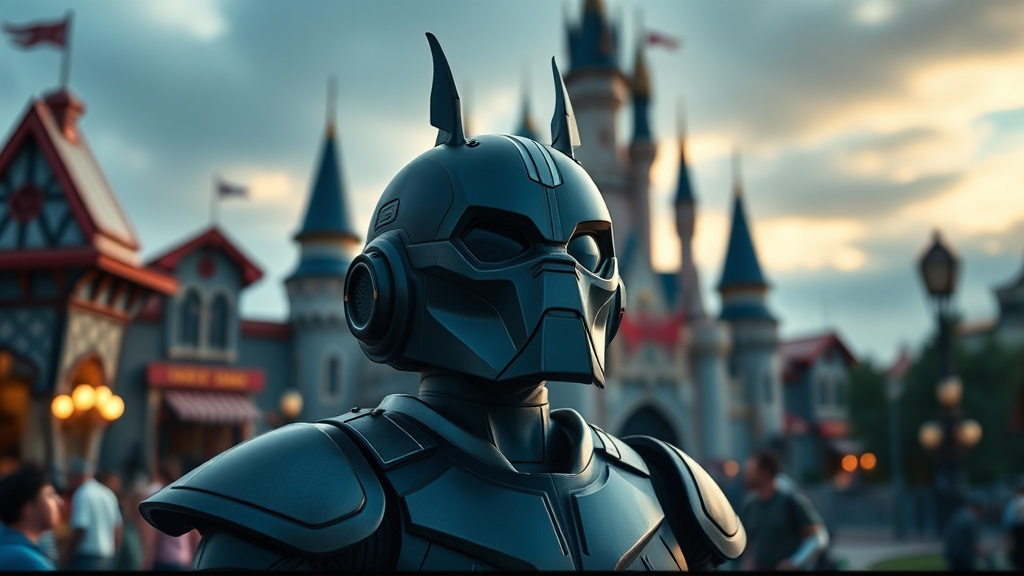
Hollywood’s economic environment has undergone a seismic shift as major studios pour billions into franchise growth and sophisticated character development strategies. From superhero franchises to extended cinematic worlds, major studios recognize that building compelling, interconnected narratives generates record-breaking box office performance and viewer engagement. This article explores how studios strategically invest in character development, spin-offs, and transmedia storytelling to maximize profitability while engaging worldwide viewers in an highly competitive streaming landscape.
The Multibillion-Dollar Franchising Growth
The entertainment sector has experienced an unprecedented financial evolution as prominent production companies allocate significant funding to franchise development and story-driven character development. This deliberate shift reflects a core change in how studios approach content development, departing from standalone films toward integrated story universes that generate sustained revenue across diverse media outlets and decades.
Studios acknowledge that successful franchises create enduring IP holdings able to produce billions in revenue through cinema distribution, streaming platforms, merchandise, theme park attractions, and licensing deals. The market environment demands continuous innovation in character development and story development, driving studios to allocate significant resources in pre-production research, talent acquisition, and advanced visual effects capabilities.
Investment Size and Growth Trajectory
Leading Hollywood studios now allocate budgets exceeding ten billion dollars each year toward franchise development, demonstrating the sector’s rapid expansion. Latest industry reports show that franchise-based content produce roughly 70 percent of cinema ticket sales, with digital services substantially boosting these figures through subscriber engagement metrics and sustained franchise value.
The financial stakes have increased substantially as studios compete for audience attention in crowded entertainment markets. Budget allocations for franchise entries typically surpass three hundred million dollars, while promotional spending frequently equal or surpass production budgets. This substantial investment demonstrates studios’ belief in franchise success and their dedication to providing high-quality experiences that justify premium ticket prices and streaming fees.
- Marvel Studios produced more than $28 billion in franchise revenue worldwide.
- Disney’s streaming platforms reached more than 150 million users worldwide.
- Sequels and spinoffs in franchises represent eighty percent of major studio releases each year.
- International markets now represent sixty percent of total franchise box office earnings.
- Character merchandising produces forty percent of total franchise revenue streams.
Character Advancement as Core Strategy
Big studio studios have recognized that compelling character development is the foundation of profitable franchise development. By committing significant resources in layered character trajectories and heartfelt narrative construction, studios establish meaningful relationships between audiences with their franchises. This strategic approach elevates straightforward action moments into impactful tales that resonate across demographics, maintaining ongoing engagement throughout multiple films and television series within shared fictional worlds.
The monetary consequences are significant, as richly-crafted characters command increased box office revenue and subscription revenues. Studios invest significant budgets toward narrative writing, performer training, and story consultation to ensure characters evolve believably throughout franchises. This investment in character quality distinguishes premium franchises from rivals, supporting higher price points and creating lasting cultural impact that transcends standard entertainment into merchandise, gaming, and theme park experiences.
Creating Interconnected Realms
Connected story universes represent a revolutionary approach to franchise storytelling, where various protagonist journeys intersect within unified fictional settings. Studios meticulously plan character involvement across films, television shows, and digital content to establish interconnected environments that reward continued fan participation. This strategy requires unprecedented coordination between creative teams, producers, and writers to sustain narrative coherence while allowing standalone narratives to develop separately within the broader universe.
The viability of expanded story universes hinges on deliberate character introduction and significant exchanges between leads from distinct plot threads. Studios allocate significant budgets in multi-project coordination, confirming characters introduced in supporting roles can star in independent films. This method increases overall franchise worth by providing diverse starting points for viewers while sustaining plot continuity, ultimately delivering greater cumulative returns per character and more robust market positioning in saturated media landscapes.
- Interconnected story universes enhance audience investment across multiple projects simultaneously.
- Character interactions across franchises create excitement and increase audience traffic across sequel releases.
- Synchronized narrative development allows character arcs to span years of production schedules.
- Interconnected universes justify higher price points via additional material and special offerings.
- Calculated character positioning increases merchandising opportunities and supplementary profit channels.
Outlook Ahead and Industry Impact
The direction of Hollywood’s franchise strategy points to sustained focus in narrative-focused characters and extended fictional worlds. Studios will progressively employ AI and data-driven insights to predict audience preferences, enabling precision-focused character creation and franchise planning. This digital transformation promises greater financial efficiency while conceivably altering creative decision processes across the industry.
Industry analysts forecast that franchise expansion will remain the dominant financial approach for at least the following ten years. However, this strategy carries inherent challenges, including viewer exhaustion and oversaturated markets. Studios must balance profitability with artistic creativity, ensuring that character development stays true and captivating rather than purely formulaic, to preserve ongoing audience connection and franchise viability.
Rising Patterns and Viewer Preferences
Modern audiences members more and more seek out diverse character representation and complex storytelling within interconnected franchises. On-demand platforms have opened up content distribution, allowing viewers to investigate character histories and expanded universe content on demand. This transformation has substantially changed studio strategies, demanding more nuanced character development and diverse storytelling that connect with global demographics while maintaining franchise coherence.
The blending of conventional film and streaming platforms opens up new possibilities for exploring characters across multiple formats. Audiences now demand smooth transitions between theatrical releases, limited series, and streaming content. Studios responding to these expectations commit significant resources in expansive character worlds that extend beyond standard film formats, producing captivating environments that strengthen audience engagement and franchise loyalty.
- Interactive storytelling experiences influence audience engagement strategies
- Diverse casting demonstrates evolving audience demographic preferences
- Transmedia narratives extend character development throughout multiple platforms
- Audience communities influence franchise direction and character arcs
- Sustainability concerns drive increasingly thoughtful franchise growth
