

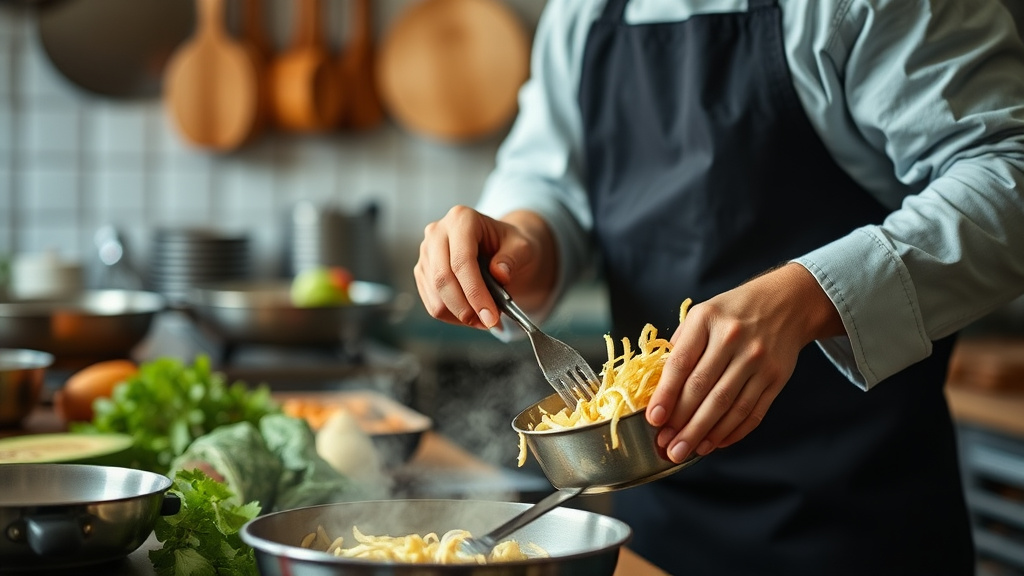
In an era marked by molecular gastronomy and state-of-the-art kitchen technology, a unexpected culinary revolution is taking place. Professional chefs around the world are rediscovering the timeless appeal of time-honored cooking practices—from wood-fired ovens to traditionally fermented products and slow-roasting methods. This resurgence is not mere nostalgia; it represents a deliberate shift toward genuine flavors, environmental responsibility, and richer taste profiles. As Michelin-starred restaurants increasingly champion traditional dishes and heritage techniques, we examine why these classic methods are redefining modern fine dining and captivating culinary professionals around the world.
The Revival of Time-Honored Cooking Practices
The food industry is undergoing a profound shift as professional chefs have taken to classic culinary approaches that have been perfected over hundreds of years. This trend reflects a deliberate departure from the molecular gastronomy trend that dominated kitchens for years. Chefs are reconnecting with the genuine pleasure of perfecting basic techniques—working dough manually, long, slow cooking of meats, and creating fermented vegetables using traditional methods. This renaissance comes from a understanding that these time-tested approaches provide exceptional taste complexity and authenticity that quick methods fail to achieve, appealing to both culinary professionals and knowledgeable food enthusiasts pursuing real culinary satisfaction.
Environmental considerations have become a driving force behind this culinary transformation. Traditional methods naturally correspond with eco-conscious practices, reducing waste generation and prioritizing whole-ingredient utilization. Wood-burning ovens lower energy use compared to standard kitchen equipment, while fermentation and preservation techniques prolong ingredient freshness naturally. Professional chefs recognize that adopting heritage cooking methods concurrently tackles environmental responsibility and meets increasing customer interest for sustainable dining options. This intersection of cooking quality and environmental awareness positions heritage methods as both conceptually and functionally preferable to energy-heavy contemporary cooking methods.
The emotional and cultural dimensions of traditional cooking have also gained chefs’ attention worldwide. These methods hold stories, heritage, and human connection that transcend mere nutrition or presentation. By mastering ancestral techniques, modern chefs celebrate their heritage while creating memorable meals that celebrate global traditions. Upscale restaurants now proudly feature heritage recipes paired with innovative interpretations, recognizing that genuine heritage and time-honored practices provide competitive advantages in an increasingly saturated premium dining sector.
Why Culinary Professionals Are Going Back to Traditional Practices
Professional chefs around the globe recognize that traditional culinary techniques deliver irreplaceable benefits in today’s competitive gastronomic landscape. Beyond aesthetic appeal, these techniques produce outstanding flavor characteristics and nutritional value that modern shortcuts cannot replicate. The increasing demand from consumers for genuine sourcing practices has encouraged chefs to incorporate established culinary traditions. This conscious return marks a notable move from factory-based food systems, allowing chefs to rediscover their culinary roots while meeting increased demands for quality and craftsmanship in contemporary dining experiences.
Genuine Flavor Development
Traditional techniques produce unique taste profiles through gradual fermentation process, careful maturation, and traditional preservation techniques that enhance maturation. These processes allow ingredients to mature fully, deepening complexity and depth impossible to achieve through contemporary speed-up techniques. Wood-fired preparation imparts unique smoky undertones and browning that modern ovens cannot match. Hand-crafted preparations promote careful attention and exactness, resulting in exceptional taste and texture qualities. Chefs acknowledge that patience and tradition yield unmatched gastronomic outcomes that resonate authentically with sophisticated eaters seeking authentic culinary encounters.
The return of time-honored methods addresses contemporary concerns about sustainable food systems and environmental accountability. Heritage techniques typically require fewer man-made supplements and modern technology, decreasing the restaurant industry’s carbon footprint. By incorporating slow cooking, fermentation, and time-tested preservation techniques, chefs cut down on waste while making full use of ingredients. These methods complement contemporary environmental principles while delivering outstanding taste. Restaurant establishments more often consider traditional approaches as sustainable options that celebrate both culinary traditions and environmental health, creating meaningful connections between traditional methods and contemporary ethical dining standards.
- Fermented processes develop complex umami flavors naturally
- Wood-fired cooking creates distinctive smoky depth
- Hand-aged methods enhance quality of ingredients significantly
- Slow-roast methods preserve nutritional content successfully
- Time-honored approaches minimize environmental waste and impact
Leading culinary institutions now integrate heritage method education into professional chef development programs worldwide. Fine dining restaurants feature ancestral preparations alongside contemporary presentations, demonstrating respect for culinary ancestry. This educational shift ensures new-generation chefs grasp core techniques before advancing to creative exploration. Skilled artisans transmit ancestral knowledge to the next generation, maintaining precious gastronomic traditions. By prioritizing traditional techniques within professional kitchens, chefs create legitimacy and richness, producing culinary moments that celebrate cultural heritage while sustaining modern appeal and cooking distinction.
Worldwide Influence and Future Trends
The worldwide embrace of classic food preparation is transforming the global food industry with substantial force. From Tokyo to Paris, celebrated culinary experts are establishing restaurants dedicated entirely to heritage cooking methods, garnering worldwide praise and Michelin accolades. This shift transcends geographical boundaries, as culinary schools steadily embed classic approaches into their curricula. The economic impact is significant, with farm-direct venues and artisan food companies witnessing exceptional development. Customer appetite for genuine local products keeps growing, validating the commercial viability of this gastronomic revival.
Sustainability stands as a primary driver advancing traditional techniques into the future. Heritage cooking methods naturally reduce food waste through whole-animal use and whole-ingredient consumption. Fermentation, preservation, and slow-cooking processes reduce reliance on artificial additives and industrial processing. As environmental consciousness intensifies globally, professional chefs acknowledge that ancestral practices align perfectly with modern sustainability goals. This intersection between tradition and environmental responsibility positions heritage techniques as not merely fashionable, but essential for building sustainable, responsible food networks. Progressive food establishments are prioritizing these methods as foundations of responsible gastronomy.
Looking ahead, the blending of ancestral methods with modern advancement offers exciting possibilities for professional cuisine. Chefs are experimenting with blending ancestral methods with current innovations, creating fusion methods that honor tradition while adopting innovation. Digital platforms and social media increase visibility of these methods worldwide, inspiring new culinary professionals. Learning frameworks championing cultural food heritage guarantee skill transmission throughout generations. As this evolution develops, heritage-based approaches will probably establish themselves firmly within culinary industry standards, profoundly reshaping what defines quality in modern gastronomy.
