

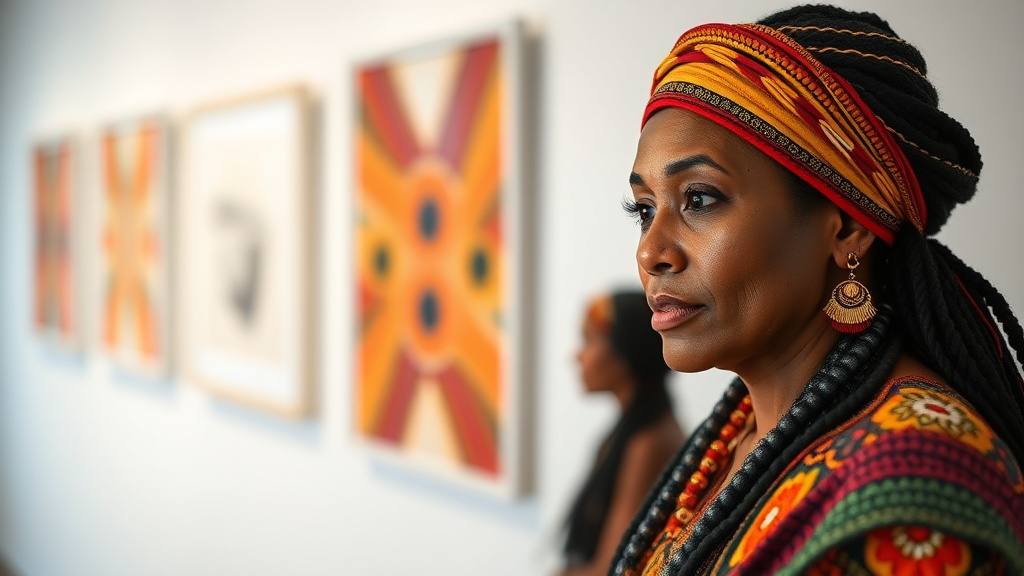
For generations, indigenous art forms remained restricted within local communities and anthropological collections, often disregarded by mainstream cultural institutions. Today, a major transformation is underway as contemporary museums worldwide champion these remarkable artistic traditions on global stages. From complex weaving techniques to ceremonial sculptures and digital installations, indigenous artists are reasserting their stories and attracting worldwide audiences. This article investigates how museum exhibitions are enhancing the recognition of indigenous creativity, fostering cultural appreciation, and establishing indigenous artists as essential voices in the contemporary art world.
The Emergence of Native American Art in Major Museums
The shift of indigenous art from museum storage rooms to prominent exhibition spaces represents a major cultural shift. Major institutions like the Metropolitan Museum of Art, the British Museum, and the National Museum of the American Indian have expanded their galleries showcasing indigenous works. These exhibitions now feature contemporary indigenous artists alongside historical pieces, highlighting the vitality and progression of these artistic traditions. Museums are becoming more conscious of their responsibility to present indigenous perspectives authentically, moving away from colonial-era interpretations toward community-driven exhibition practices.
This elevation of indigenous art reflects broader changes in how museums define their roles as cultural institutions. Curators and directors are developing partnerships with indigenous communities to guarantee dignified portrayal and authentic narratives. Modern displays feature varied formats including traditional crafts, digital installations, and conceptual pieces that push back against Western art establishment conventions. The inclusion of indigenous art in prominent institutions represents a major reevaluation of what defines important cultural output and which perspectives merit prominent platforms in international art conversations.
Removing Barriers and Creating Platforms
Indigenous artists traditionally encountered systemic barriers to exhibition opportunities and commercial visibility within mainstream art institutions. Contemporary museums are systematically removing these obstacles by creating dedicated spaces, funding indigenous artist residencies, and supporting new commissions. These initiatives offer vital opportunities for artists to reach international audiences and establish careers on their own terms. By showcasing indigenous creators in high-profile exhibitions, museums affirm artistic legacies and question established power structures that favored Western art forms over indigenous expressions.
Building platforms transcends exhibition walls to feature educational programs, artist talks, and collaborative projects that reach broader communities. Museums now provide workshops teaching traditional techniques, support indigenous artist mentorship programs, and create pathways for emerging talent. These multifaceted approaches cultivate sustainable careers for indigenous creators while strengthening institutional programming. Such initiatives demonstrate museums’ commitment to genuine partnership rather than tokenistic representation, creating foundations for long-term relationships between institutions and indigenous artistic communities.
Financial and Cultural Impact
Museum showcases have produced unprecedented economic opportunities for native artists and their populations. International exposure through major institutions expands market demand, empowering artists to secure increased compensation and secure well-paying assignments. Museum sales, licensing deals, and public presentations generate varied earning channels enabling artistic longevity. Additionally, museum funding in native artist showcases drives tourism and cultural economy growth in areas inhabited by these artists, enhancing community finances and inspiring younger groups to pursue artistic careers connected to cultural heritage.
Culturally, international museum validation affirms indigenous artistic traditions as fundamental elements of creative human expression. Exhibitions facilitate cross-cultural dialogue, confronting misconceptions and promoting deeper understanding of indigenous values and perspectives. Young indigenous communities gain renewed pride in traditional practices, reversing long-standing patterns of cultural suppression. Worldwide recognition also reinforces indigenous communities’ efforts toward cultural protections, protection of intellectual property, and repatriation of sacred objects. Museums serve as catalysts for cultural revival, giving indigenous peoples power to assert their narratives and assert their rightful place within contemporary global art conversations.
Obstacles and Possibilities in Modern Content Management
Modern museums face significant challenges when displaying indigenous art forms, especially regarding respect for culture and genuine depiction. Curators must manage intricate challenges of ownership claims, handling of sacred items, and community consent before presenting culturally significant works. Additionally, many institutions struggle with past legacies of colonialism and artifact appropriation, requiring meaningful restitution initiatives and working partnerships with indigenous communities to ensure respectful display and accurate context and narratives.
Despite these challenges, museums have discovered unprecedented opportunities to reimagine their institutional practices and audiences. By collaborating with indigenous artists as curatorial partners, institutions produce more authentic exhibitions that acknowledge cultural practices while broadening their relevance. These partnership models foster innovative programming, educational offerings, and virtual channels that connect with global audiences. Museums increasingly acknowledge that prioritizing Native perspectives improves presentations, establishes community trust, and frames cultural institutions as important catalysts of cultural transformation and cultural preservation.
The trajectory of indigenous art curation requires sustained commitment to equitable partnerships, sufficient financial resources for projects led by communities, and museum commitment to decentralize curatorial authority. Museums that implement these practices position themselves as pioneers in current cultural conversations, demonstrating that authentic representation and artistic achievement are not mutually exclusive but intrinsically connected in producing transformative exhibition experiences.
