

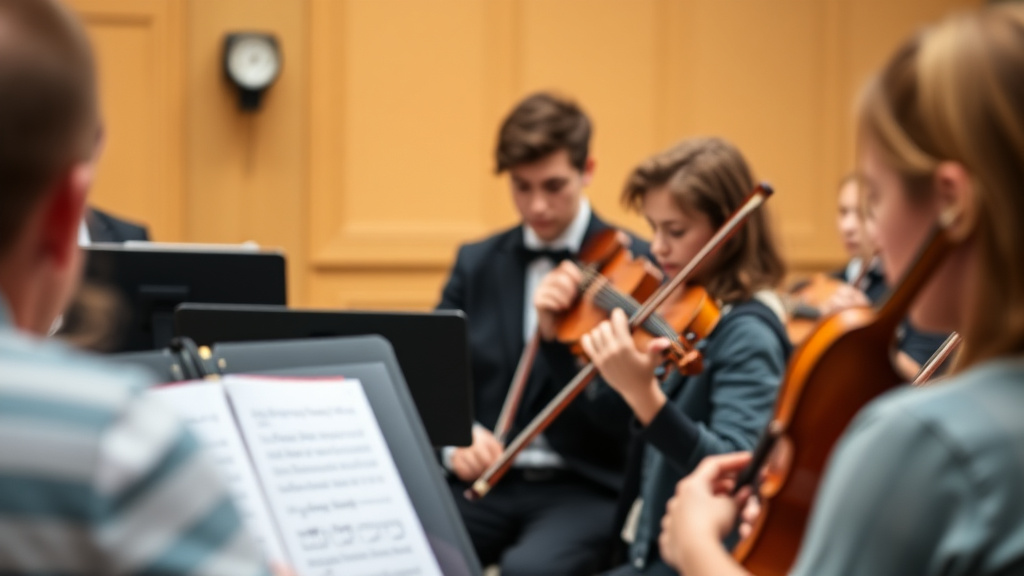
Classical music academies are going through a remarkable transformation, incorporating innovative teaching methods that push back against traditional conventions. From AI-powered practice tools to collaborative learning environments and integrated subject matter, these institutions are redefining how developing artists hone their skills. This article investigates how premier academies around the world are refreshing their course offerings while maintaining high artistic standards, making certain that aspiring musicians gain both technical proficiency and imaginative spark for the current landscape.
Technology Integration in Musical Learning
Classical music conservatories are actively embracing digital tools and software to strengthen their instructional approaches. Interactive learning platforms allow students to receive real-time feedback on their performances, while music notation software enables more efficient score analysis and composition instruction. Virtual reality applications create engaging environments, allowing young musicians to perform in famous concert halls and explore classical interpretations. These technological innovations complement traditional instruction, helping students improve technical abilities more effectively while maintaining the one-on-one instruction that defines conservatory education.
Artificial intelligence constitutes a distinctly impactful force in modern music pedagogy. AI-powered practice assistants analyze student performances, identifying areas for improvement and proposing customized drills matched to each student’s approach. Online teamwork applications unite musicians from different places, facilitating collaborative practice and group performance regardless of physical location. Furthermore, electronic recording and evaluation systems permit educators to record development thoroughly, developing extensive achievement collections. By implementing these resources deliberately, conservatories guarantee students gain access to advanced technological tools while protecting the creative essence and interpersonal engagement vital for music learning.
Cooperative Learning and Collective Skill Building
Modern conservatories understand that musical excellence extends beyond individual practice, emphasizing collaborative learning as a cornerstone of artistic development. By fostering ensemble participation and collaborative projects, institutions create environments where young musicians build essential communication skills, learn to listen critically to peers, and appreciate the nuances of ensemble interpretation. This team-based method not only enhances musical performance but also develops confidence and creates a supportive community that echoes professional orchestral settings.
Peer Mentoring Initiatives
Leading conservatories have created structured peer mentorship programs connecting advanced students with aspiring performers. These partnerships facilitate knowledge transfer beyond formal instruction, letting junior musicians to benefit from skilled colleagues’ guidance and methods. Mentors develop guiding capabilities while developing artists obtain individual support and inspiration, creating a sustainable cycle of excellence that enhances the entire institution’s musical culture and collective connections.
Peer mentorship programs have shown measurable enhancements in learner self-assurance and technical proficiency. By creating structured frameworks for these relationships, conservatories ensure accountability and genuine involvement. Consistent meetings, joint rehearsal time, and performance opportunities allow mentors and mentees to build reciprocal understanding while working through distinct repertoire difficulties in tandem, promoting enhanced knowledge of traditional classical works.
Cross-Genre Sound Across Genres
Progressive conservatories are transcending traditional genre boundaries by prompting students to explore contemporary music, jazz, and world music traditions in conjunction with classical studies. This cross-disciplinary methodology enriches musical vocabulary and broadens interpretive perspectives, allowing young musicians to interpret classical works with renewed artistic vision. Familiarity with diverse musical languages strengthens adaptability and readies students for contemporary professional opportunities in an dynamic field of music.
Investigating music across genres pushes students to comprehend essential musical elements surpassing stylistic boundaries. By exploring improvisation, rhythmic complexity, and non-Western musical traditions, classical musicians develop improved artistic adaptability and cultural sensitivity. This comprehensive approach to music education produces adaptable musicians capable of engaging different audience types while preserving demanding classical standards, ultimately strengthening the relevance and vitality of classical music in modern times.
Student Outcomes and Career Outlook
The implementation of advanced pedagogical techniques in classical music conservatories has yielded demonstrable progress in student outcomes. Young musicians demonstrate enhanced technical proficiency, better sight-reading skills, and increased self-assurance in performance contexts. Research suggests that students utilizing AI-powered practice resources and cooperative learning settings reach higher examination scores and develop faster through their musical training. These favorable outcomes support the efficacy of updated teaching methods while maintaining rigorous standards of classical excellence.
Beyond direct educational achievements, conservatory graduates trained in innovative training are well-positioned for varied professional opportunities. They possess both traditional performance skills but also technical proficiency, teamwork expertise, and creative problem-solving abilities essential in today’s music industry. Many graduates move forward into audio production, film scoring, therapeutic music work, and educational roles. The interdisciplinary curriculum exposure enables musicians to adjust readily to changing industry demands, ensuring sustained relevance and employability throughout their careers.
The trajectory of classical music conservatories appears increasingly promising as these institutions keep improving their novel strategies. By combining digital tools with timeless musical principles, conservatories are cultivating the future cohort of accomplished, multifaceted musicians. These graduates will maintain classical traditions while creating innovative artistic forms, ensuring classical music remains dynamic and approachable. Conservatories’ dedication to ongoing development positions them as vital cultural institutions influencing the future of music.
