

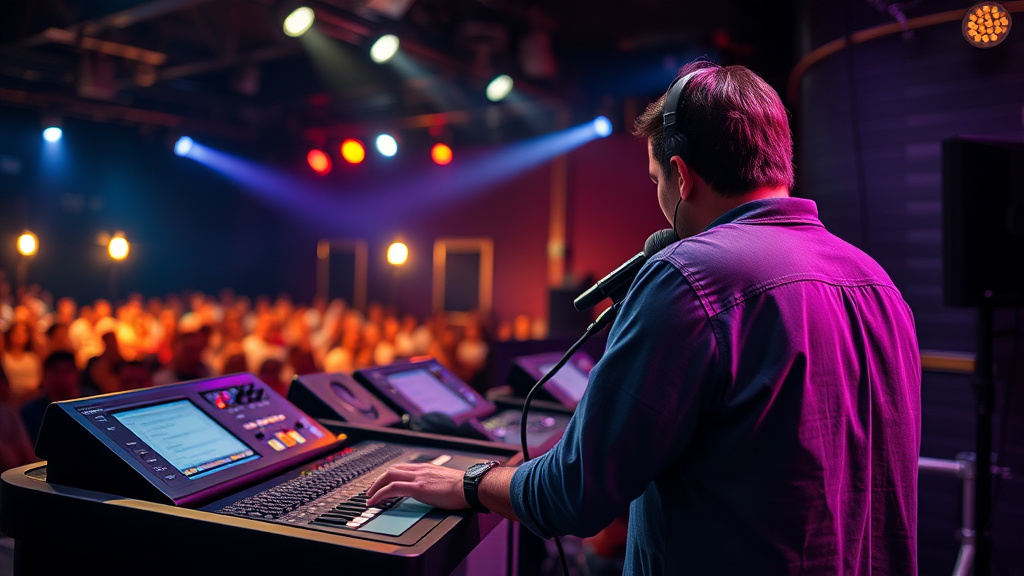
The roar of the crowd, the crispness of every note—modern live performance spaces are transforming live entertainment through advanced sound system upgrades. As audiences require crystal-clear audio and deeply engaging sound experiences, venues worldwide are adopting advanced technologies like three-dimensional sound, intelligent audio processing, and dynamic acoustic systems. This article explores how top-tier performance venues are transforming their infrastructure, the innovative solutions reshaping live performances, and the quantifiable effects these upgrades have on audience satisfaction and artist performances.
Modern Sound Evolution in Sound
Digital Audio Processing Advances
Concert spaces are embracing digital audio processing systems that deliver remarkable precision and precision. Modern digital control systems utilize real-time sound analysis to dynamically control frequencies and reduce acoustic acoustic issues. These powerful tools permit sound engineers to establish personalized audio settings for multiple zones of the venue, ensuring every audience member receives optimal sound quality. Advanced algorithms handle multiple audio channels simultaneously, decreasing response time and coordinating video displays with live performances smoothly.
The incorporation of AI technology into mixing equipment has fundamentally changed sound engineering practices. AI algorithms analyze acoustic properties and crowd preferences, proposing best parameters for various performance styles. These intelligent systems actively measure audio levels, automatically correcting imbalances caused by environmental factors like temperature and humidity changes. Engineers can focus on creative aspects while intelligent systems handles technical accuracy, resulting in reliably excellent sound quality across every performance.
Wireless microphone systems have advanced substantially with improved signal stability and reduced signal interference. Modern digital wireless solutions offer increased coverage and extended battery duration, allowing performers greater freedom of movement on stage. Enhanced encryption protocols protect against unauthorized signal access, while automatic frequency selection prevents interference with other wireless devices. These improvements enable artists to create compelling presentations without operational constraints compromising their connection with audiences.
Spatial Audio and Immersive Experiences
Spatial audio technology generates immersive acoustic environments that surround listeners in immersive acoustic environments. Venues are installing advanced speaker systems that place audio precisely throughout performance spaces, delivering authentic spatial dimension and dynamics. Dolby Atmos and comparable audio technologies allow sound engineers to position sounds and voices in spatial environments, strengthening emotional impact and audience engagement. This technology changes passive listening into participatory experiences where audiences are enveloped in music.
Spatial audio object systems give venues unprecedented command of sound positioning and motion. Rather than conventional channel-based approaches, these systems treat individual sounds as mobile sound objects within the performance environment. Audiences experience instruments transitioning naturally across the space, creating dynamic and engaging performances. This technology particularly enhances symphonic concerts and stage shows, where three-dimensional audio narrative amplifies artistic expression and engages listeners thoroughly.
Strategic Deployment and Facility Improvements
Concert venues are conducting thorough system renovations to meet evolving audience expectations for high-quality audio. These strategic upgrades involve replacing outdated traditional equipment with advanced modern platforms, repositioning speaker arrangements to ensure complete sound distribution, and introducing continuous acoustic monitoring systems. Venues are partnering with acoustic experts and structural consultants to evaluate their unique acoustic issues and create tailored solutions. Spending on these enhancements shows venues’ focus on delivering world-class performance events while preserving operational performance and musician fulfillment.
Digital Audio Processing Systems
Contemporary electronic sound processing systems are now vital parts of modern live performance spaces. These sophisticated platforms employ artificial intelligence algorithms to examine audio properties in real-time, automatically adjusting EQ, compression, and spatial settings to correct location-based sound issues. Professional mixing systems now feature wireless connectivity, enabling audio technicians to monitor and control audio throughout the performance area. This technology allows for precise sound management during live performances, maintaining uniform sound levels across all listening zones no matter how far from the stage.
The combination of networked audio systems has transformed how venues oversee multiple speaker zones simultaneously. Cloud-based mixing platforms allow venues to store custom presets for different artists and performance types, minimizing preparation time and ensuring consistency across multiple shows. Real-time feedback systems continuously measure acoustic response, helping audio specialists to make immediate changes. These digital solutions also enable remote support from experienced audio advisors, providing venues with professional advice without needing physical attendance during every performance.
Acoustic Performance Upgrades
Design enhancements play a crucial role in enhancing venue acoustics and audio performance. Venues are incorporating adjustable sound panels, absorptive materials, and reflective surfaces deliberately arranged to control reverberation. Modern designs feature scattering systems that disperses audio frequencies evenly across concert venues, preventing problematic echoes and ensuring clear audio delivery. These physical improvements work synergistically with electronic systems, establishing complete sound solutions that accommodate amplified and unamplified acts.
Structural upgrades extend beyond simple material additions to fundamental venue redesign. Many venues are reorganizing audience positioning to optimize audience views and sound projection, while others are adding overhead acoustic panels that enhance audio dispersal. Sophisticated simulation tools enables facilities to simulate acoustic changes ahead of deployment, minimizing expensive experimentation. These upgrades address specific challenges like sound bouncing, resonant frequencies, and sound voids, transforming problem areas into spaces offering exceptional sound quality comparable to world-class auditoriums.
Audience Influence and Future Developments
Enhanced Live Music Experience
The implementation of sophisticated sound equipment has significantly enhanced the concert experience for attendees around the world. Venues featuring spatial audio and AI-powered mixing technologies report substantially increased satisfaction ratings, with attendees praising the clarity, depth, and immersion of performances. These infrastructure improvements have made live concerts more accessible to diverse audiences, including those who are hard of hearing through accessible audio technologies. The commitment to high-quality audio systems demonstrates a clear connection to higher revenue from ticket purchases and greater audience loyalty across different venue formats.
The Future: Technological Progress and Sustainability
The future of live audio technology promises even greater innovation, with venues exploring sustainable acoustic solutions and immediate listener response incorporation. Emerging technologies like three-dimensional audio rendering and customized listening experiences are undergoing testing in leading venues. As the sector develops, the focus remains on reconciling advanced innovations with environmental responsibility, guaranteeing that improved audience experiences don’t compromise environmental objectives. These developments establish concert performances as more viable entertainment options in the digital age.
